 01
01Define Inputs
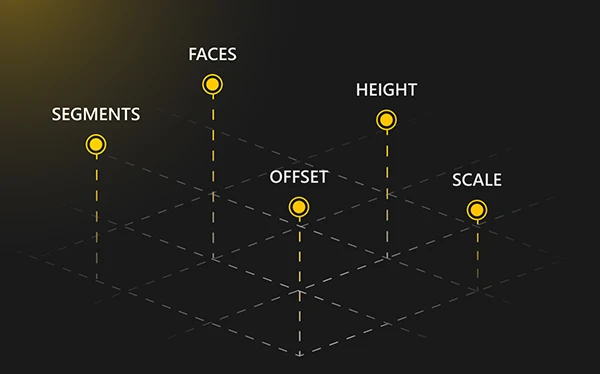
Start by identifying the data your system depends on - values, constraints, site conditions, user preferences. These inputs become the variables the entire computation reasons about.
Rules become form. Algorithms shape geometry. Move a parameter and watch a system respond.
Four moves that take you from raw data and rules to a generative, self-adapting design system.
01Start by identifying the data your system depends on - values, constraints, site conditions, user preferences. These inputs become the variables the entire computation reasons about.
 02
02Build the algorithms that connect inputs to outcomes. Conditionals, loops, and dependencies describe how the system should behave - not what it should look like.
 03
03The system evaluates the logic and generates form. Every line, surface, and pattern is computed from the rules you wrote - nothing is drawn by hand.
 04
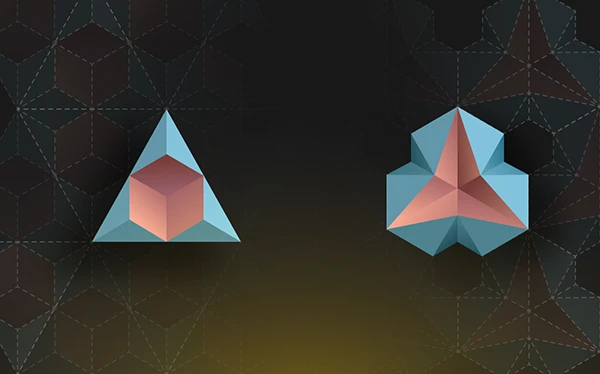
04Compare alternatives, feed in new data, and let the same system produce entirely different results. Testing a new approach takes seconds, not hours.
Feature | Computational Design | Parametric Design |
|---|---|---|
Design approach | Algorithm-driven systems | Parameter-driven models |
Focus | Logic, behavior, and data | Relationships and variation |
Handles complex logic | ||
Data-driven inputs | Limited | |
Rule depth | High | Moderate |
Variation generation | ||
One-off modeling | ||
Scalability of systems | Limited | |
Integration with computation | ||
Learning curve | Steeper | More accessible |
In architecture, computational design replaces manual drafting with code. Architects define performance goals - daylight, wind and structural loads, thermal comfort, material budget - and run algorithms that explore thousands of geometries against those goals. The selected option is then fabricated straight from the algorithm's output: every façade panel, structural rib, and connection is computed, rationalised for construction, and sent to CNC mills or robots without shop drawings in between.
Computational design lets furniture designers specify behaviour rather than geometry. The designer writes the constraints - hold this load, weigh less than this, fit this envelope, use this material - and an optimisation algorithm returns the shape. Material is placed only where structure or comfort demands, and the resulting form is typically 3D-printed or CNC-cut directly from the algorithm's mesh, with no manual re-modelling between generation and fabrication.
In manufacturing, computational design collapses the boundary between CAD and CAM. Engineers hand the algorithm a functional brief - load cases, regulatory constraints, bolt-hole positions, weight budget - and topology-optimisation or generative-design solvers return the lightest geometry that meets it, often consolidating dozens of welded parts into a single printable component. The resulting geometry is usually too intricate to cast or mill, so it is printed additively: the algorithm designs both the part and the process that makes it.
For product designers, computational design turns the product into a live function of its inputs. Ergonomics data, material budgets, and manufacturing constraints feed directly into the model, and the algorithm re-derives geometry whenever any input changes. The same script can produce a custom-fit earbud from an ear scan, a size-graded running shoe from biomechanics data, or a mass-customised cushion tuned per user - each unit unique, all produced on the same digital line.
Computational design treats garments and jewellery as outputs of a growth rule rather than hand-drawn shapes. Body-scan data feeds into reaction-diffusion, cellular, or implicit-modelling algorithms that generate intricate lattices and surface patterns tuned to the wearer. The resulting geometry is then 3D-printed in nylon, titanium, or TPU as a single article - letting designers operate at the resolution of crystals while producing at the pace of a factory, and making true one-of-one production viable at commercial scale.
Computational design is itself becoming a discipline taught in studios and universities. Programs at Harvard GSD, the Bartlett, IAAC, and Université Nantes run computational-design studios where students write logic, pull a slider, and watch geometry respond, learning how code becomes form.
BeeGraphy brings computational design to the cloud. Here's what makes it stand out.
Write algorithms by connecting logic blocks - no code, no syntax errors. Drag, wire, and watch the computation light up in real time.
Work alongside your team from any device. See each other's changes instantly, leave comments, and iterate on the same algorithm together.
Export production-ready files in DXF, SVG, STL, OBJ, STEP, and more. Computed geometry goes straight to fabrication without manual cleanup.
Turn your computational models into live browser configurators. Customers adjust inputs and watch the algorithm recompute in their own window.
Publish your computational scripts to the marketplace, earn from every download, or remix algorithms shared by other designers.
Write algorithms by connecting logic blocks - no code, no syntax errors. Drag, wire, and watch the computation light up in real time.
Work alongside your team from any device. See each other's changes instantly, leave comments, and iterate on the same algorithm together.
Export production-ready files in DXF, SVG, STL, OBJ, STEP, and more. Computed geometry goes straight to fabrication without manual cleanup.
Turn your computational models into live browser configurators. Customers adjust inputs and watch the algorithm recompute in their own window.
Publish your computational scripts to the marketplace, earn from every download, or remix algorithms shared by other designers.
Adjust inputs and watch a live computational model recompute instantly. No setup, no installation - just explore.
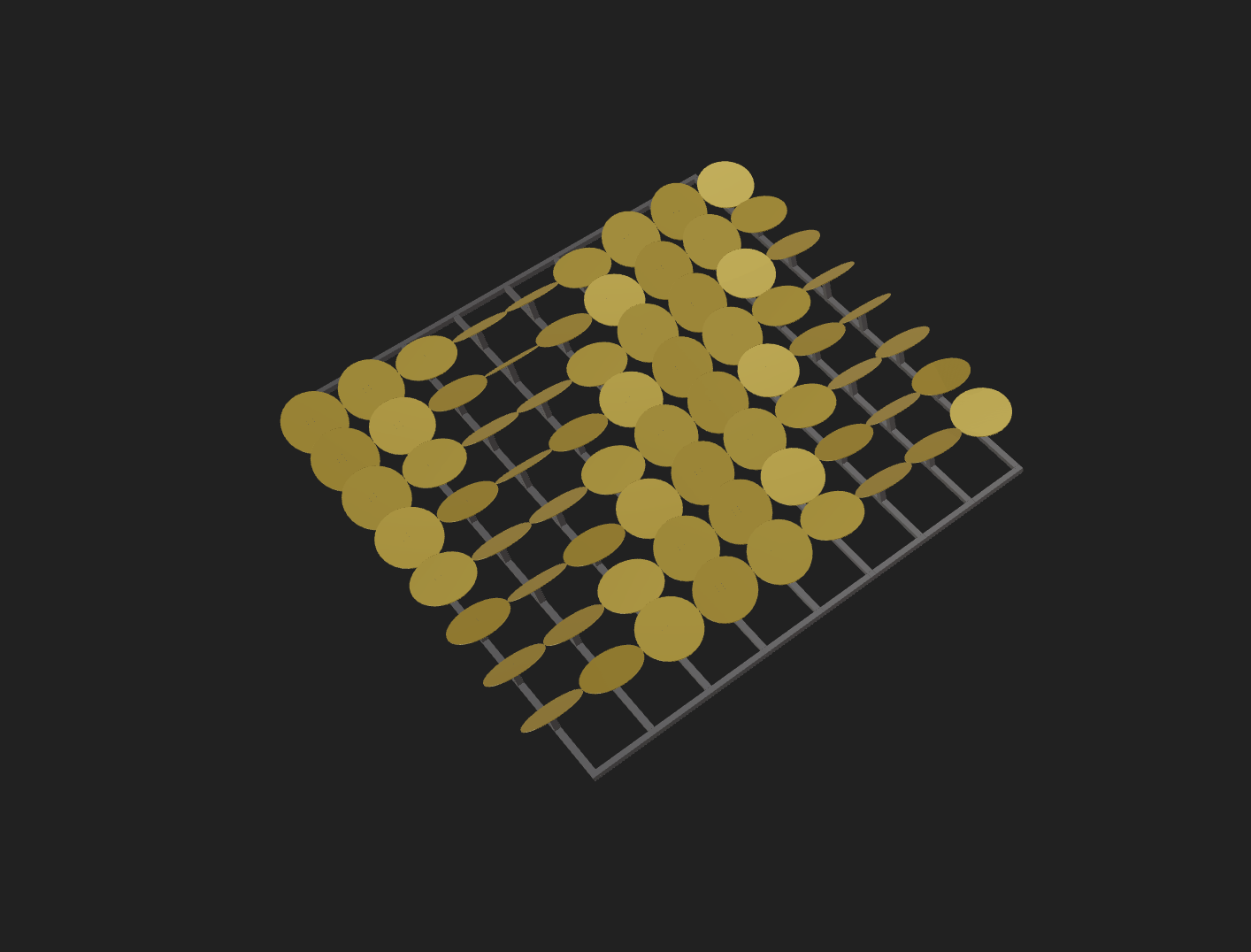
A customizable coin facade matrix with mechanism for architectural applications.
by Saanvi Sharma
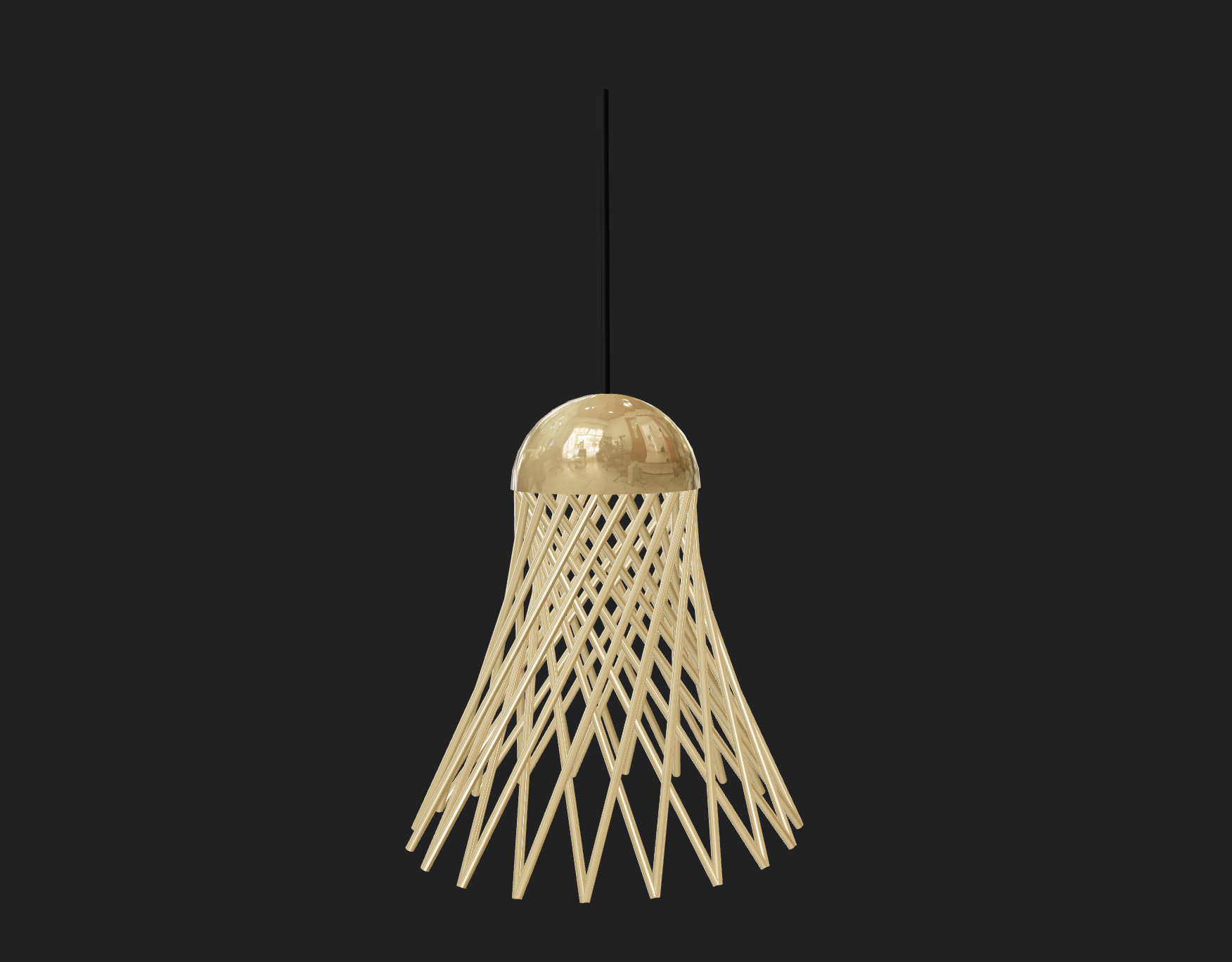
A customizable spiral lamp design with elegant geometric patterns for lighting fixtures.
by Saanvi Sharma
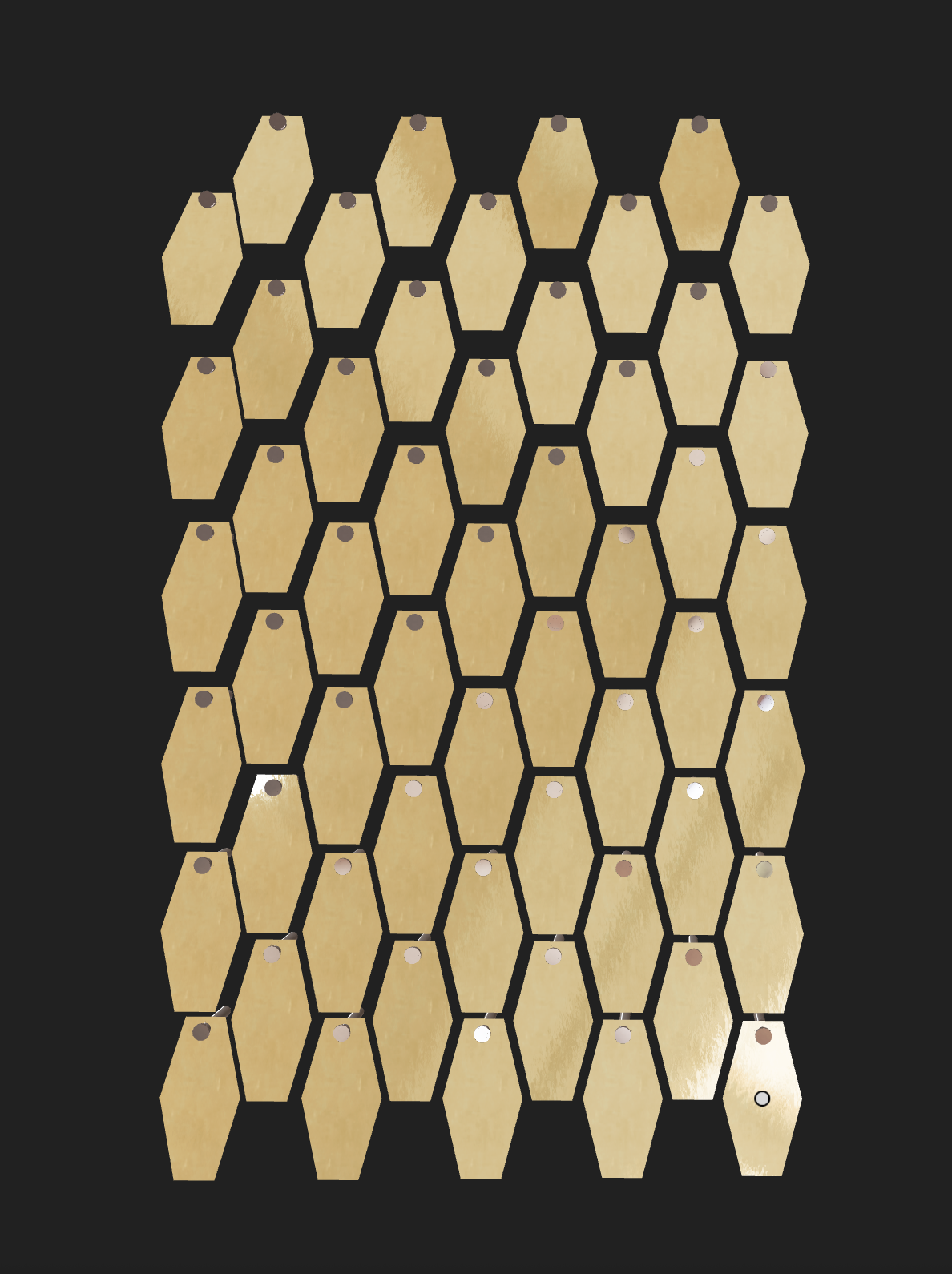
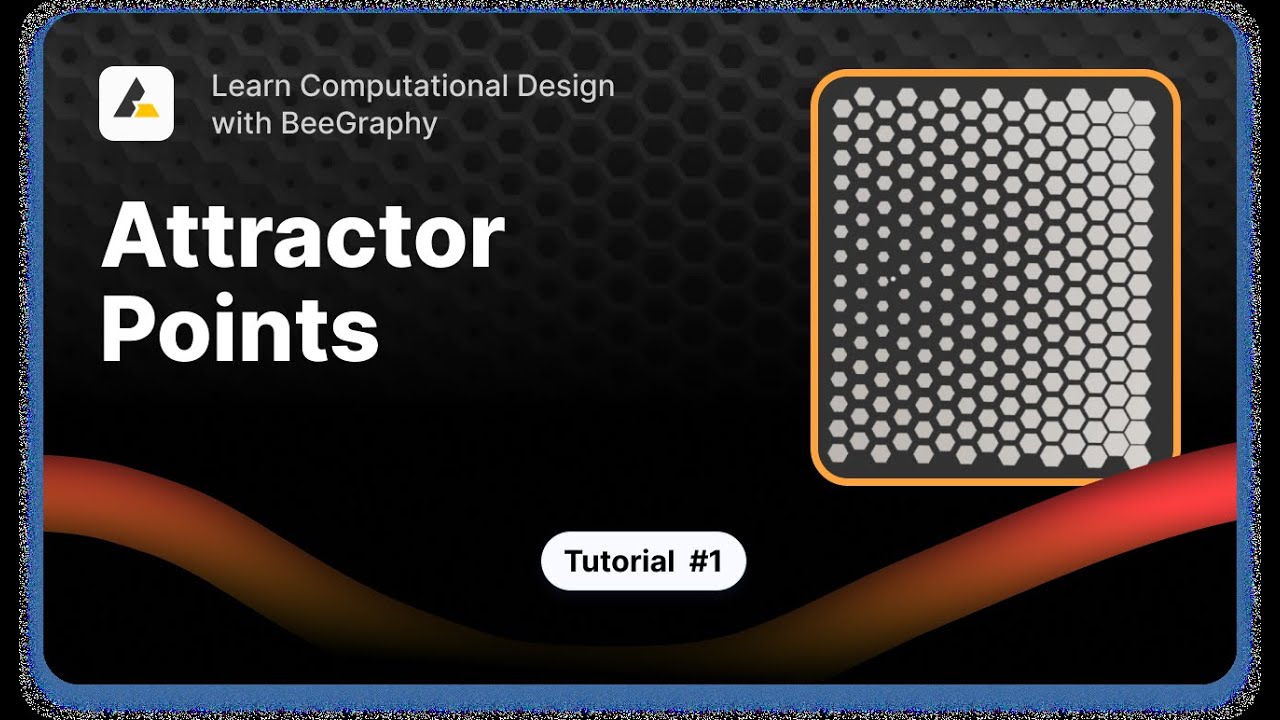
An architectural facade driven by attractor point logic for dynamic surface patterns.
by Saanvi Sharma
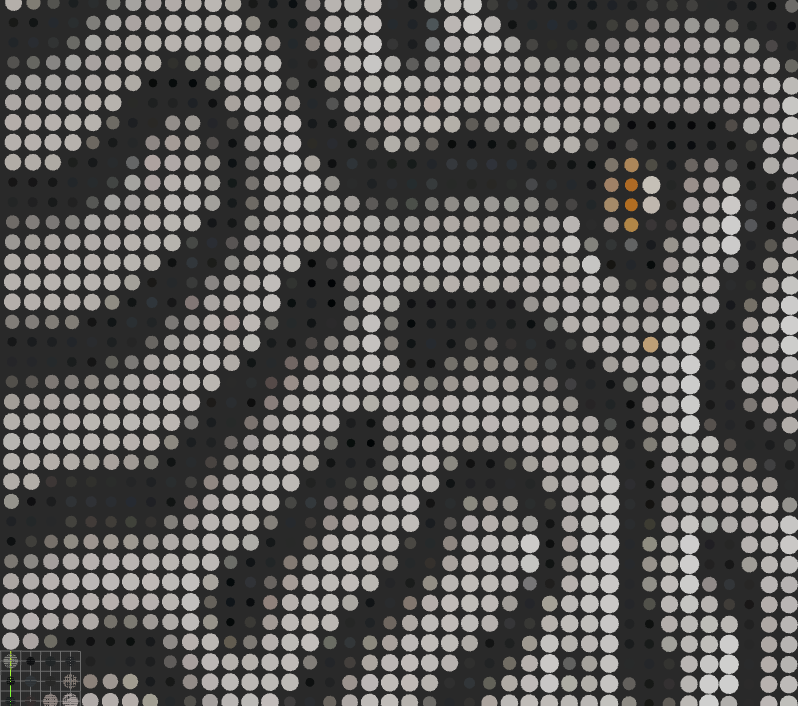
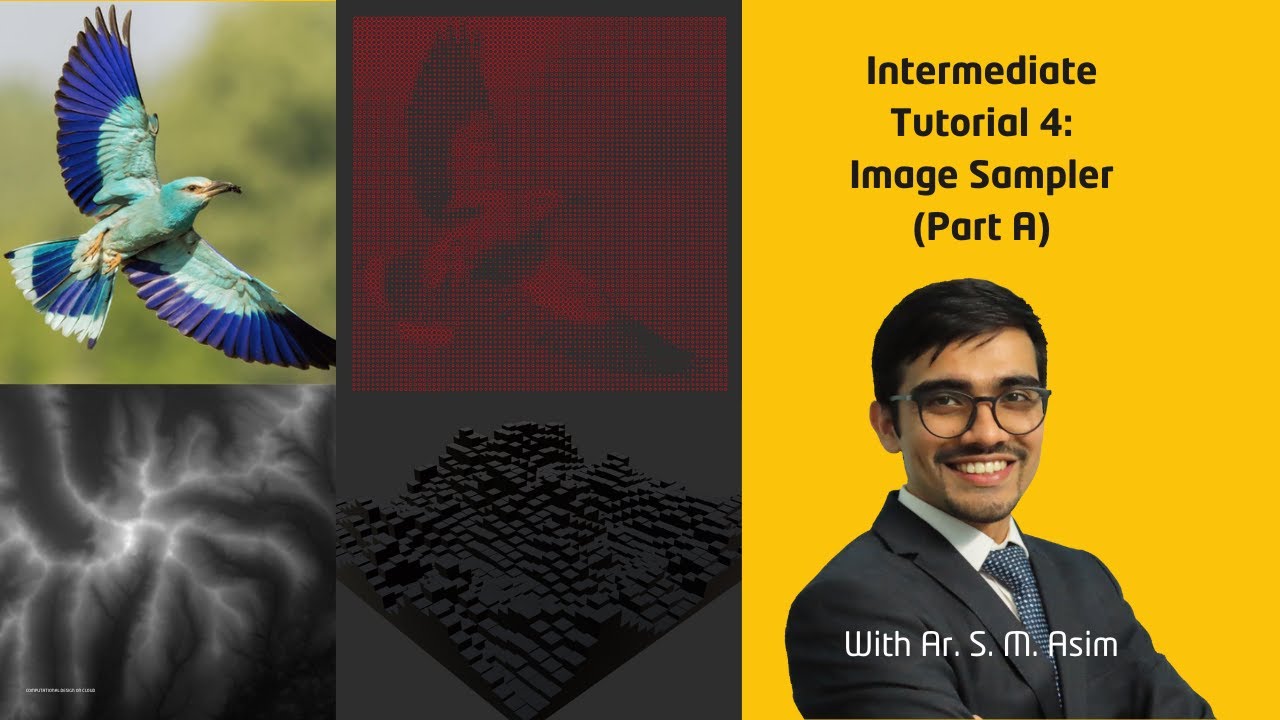
A computational model that samples image data to generate 3D geometry and patterns.
by Saanvi Sharma
Join thousands of designers who are already creating the future with computational tools. No installation, no cost to start-just open your browser and begin.