 01
01Define Rules & Inputs
Set the starting conditions your algorithm will operate on - values, limits, sequences, or seed geometry. These are the raw materials the procedure transforms.
Design through logic - where form emerges from rules, procedures, and step-by-step instructions rather than manual creation.
Five steps that take you from a blank canvas to a procedure-driven design system where form emerges from logic.
01Set the starting conditions your algorithm will operate on - values, limits, sequences, or seed geometry. These are the raw materials the procedure transforms.
 02
02Write a step-by-step procedure where each operation builds on the last - loops iterate, conditions branch, and transformations compound in a defined order.
 03
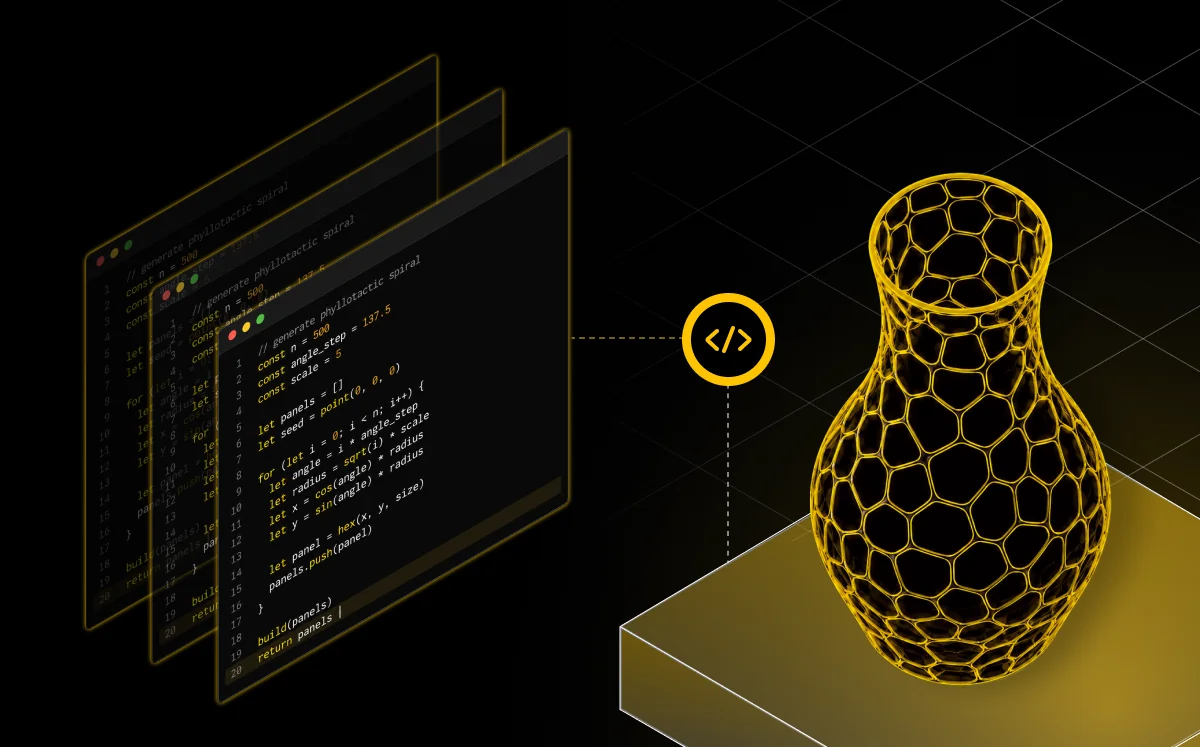
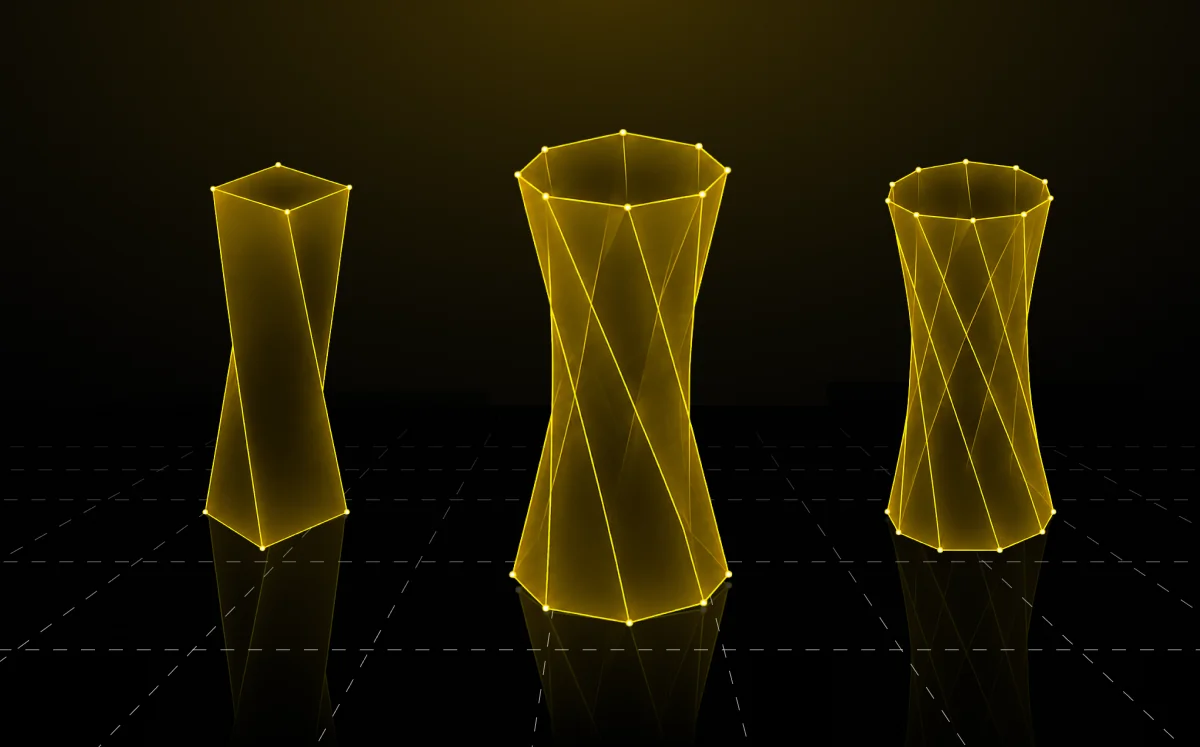
03Run the algorithm and watch form emerge. The geometry is not drawn - it is constructed by the repeated execution of your defined steps.
 04
04Change a rule, reorder a step, or adjust a condition - and the algorithm produces a completely different result. You refine the process, not the shape.
 05
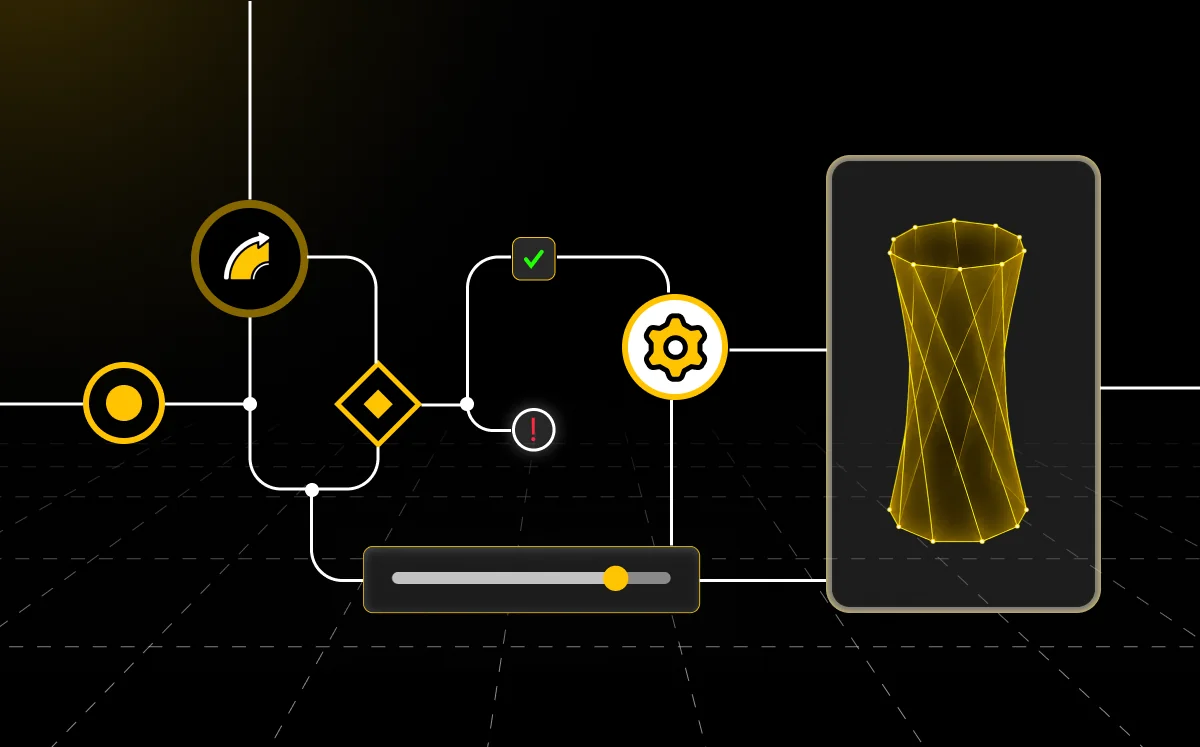
05Add boundaries and conditions to control what the algorithm can produce. Constraints keep results within defined bounds while still generating unexpected, creative forms.
Feature | Algorithmic Design | Parametric Design |
|---|---|---|
Core approach | Procedure-driven | Parameter-driven |
Design control | Step-by-step logic | Variable adjustment |
Focus | Process and execution | Relationships and variation |
Uses parameters | Sometimes | Core to workflow |
Handles complex logic | ||
Variation generation | ||
One-off pattern creation | ||
Real-time tweaking | ||
Reusable systems | ||
Learning curve | Steeper | More accessible |
Architects write algorithms that turn site data, structural loads, and climate conditions into building form. Facade panels are tiled by rule-based patterns, floor plans are solved through constraint logic, and entire towers are generated from a single set of coded instructions - no shape is drawn, every shape is computed from a sequence of decisions.
Furniture designers encode growth rules, branching logic, and material constraints into algorithms that produce entire collections. One script generates a lattice chair, a subdivision shelf, and a load-optimized table - each piece different, each mathematically consistent with the same design language.
Manufacturers let algorithms drive the production pipeline. Nesting scripts minimize sheet waste in seconds, toolpath generators turn geometry into CNC instructions automatically, and part-family algorithms produce thousands of dimensionally correct variants from a single rule set - no manual redrawing per order.
Product designers use generative algorithms and topology optimization to explore forms no human would sketch. Material is added or removed iteratively by the algorithm until the part meets its load case with minimum weight - the designer defines the constraints, the algorithm finds the shape.
Jewelry and fashion designers use algorithms to grow intricate lattice structures, generate tessellation patterns from body-scan data, and produce custom-fit rings or garments where every dimension is calculated per customer - the algorithm is the craftsman.
Educators use algorithmic tools to teach computational thinking - students build fractal generators, maze solvers, and recursive pattern systems to learn how breaking a problem into steps, encoding those steps as logic, and running them produces real geometry. Design becomes something you reason about, not just sketch.
BeeGraphy supports algorithmic design through cloud-native, rule-driven workflows. Here's what makes it stand out.
Create algorithmic logic using visual blocks - define sequences, conditions, and rules without writing a single line of code.
Develop and refine rule-based procedures collaboratively across teams, devices, and locations in real time.
Export algorithmically generated geometry in DXF, SVG, STL, OBJ, STEP, and more - ready for fabrication without manual cleanup.
Deploy algorithmic models as interactive web experiences where user inputs trigger procedural generation in real time.
Publish your algorithmic scripts to the marketplace, earn from every download, or remix procedures shared by other designers.
Create algorithmic logic using visual blocks - define sequences, conditions, and rules without writing a single line of code.
Develop and refine rule-based procedures collaboratively across teams, devices, and locations in real time.
Export algorithmically generated geometry in DXF, SVG, STL, OBJ, STEP, and more - ready for fabrication without manual cleanup.
Deploy algorithmic models as interactive web experiences where user inputs trigger procedural generation in real time.
Publish your algorithmic scripts to the marketplace, earn from every download, or remix procedures shared by other designers.
Explore a live algorithmic model. Adjust parameters and see the design update in real time.
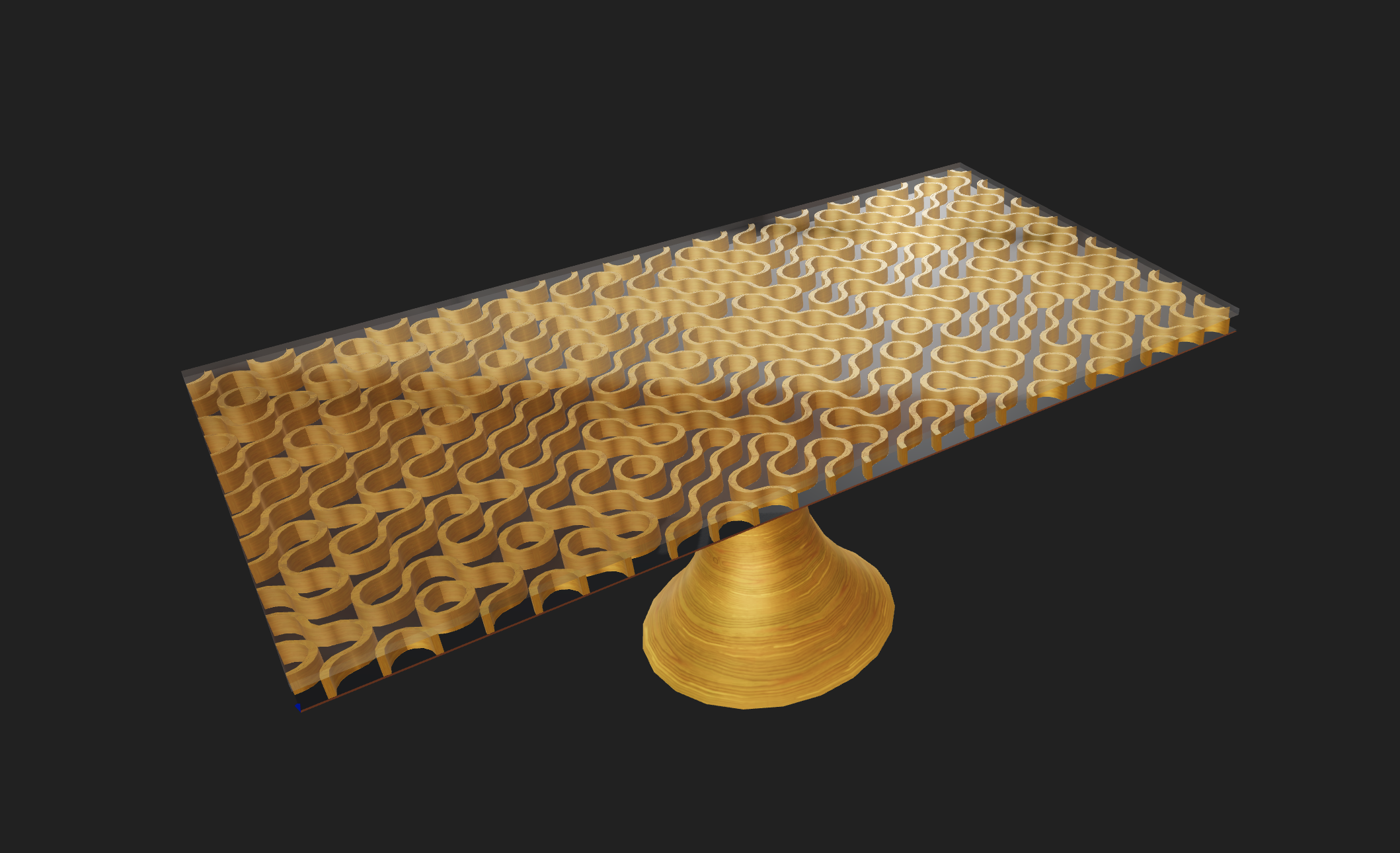
A customizable table top featuring algorithmically generated Truchet pattern designs.
by Saanvi Sharma
Algorithmically generated 3D fractal geometry using recursive procedural rules.
by Saanvi Sharma
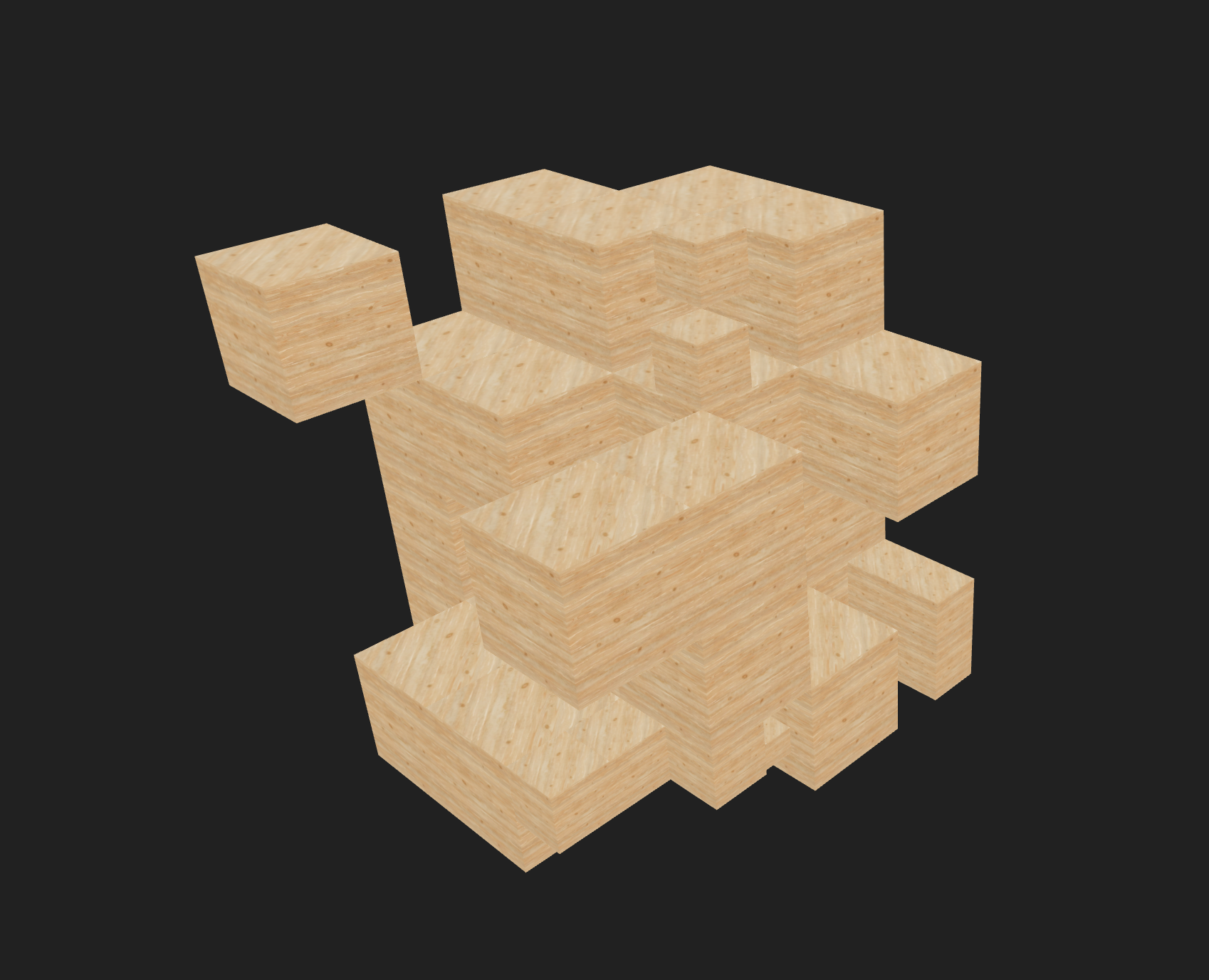
A collectibles platform built on octree subdivision algorithms for spatial partitioning.
by Saanvi Sharma
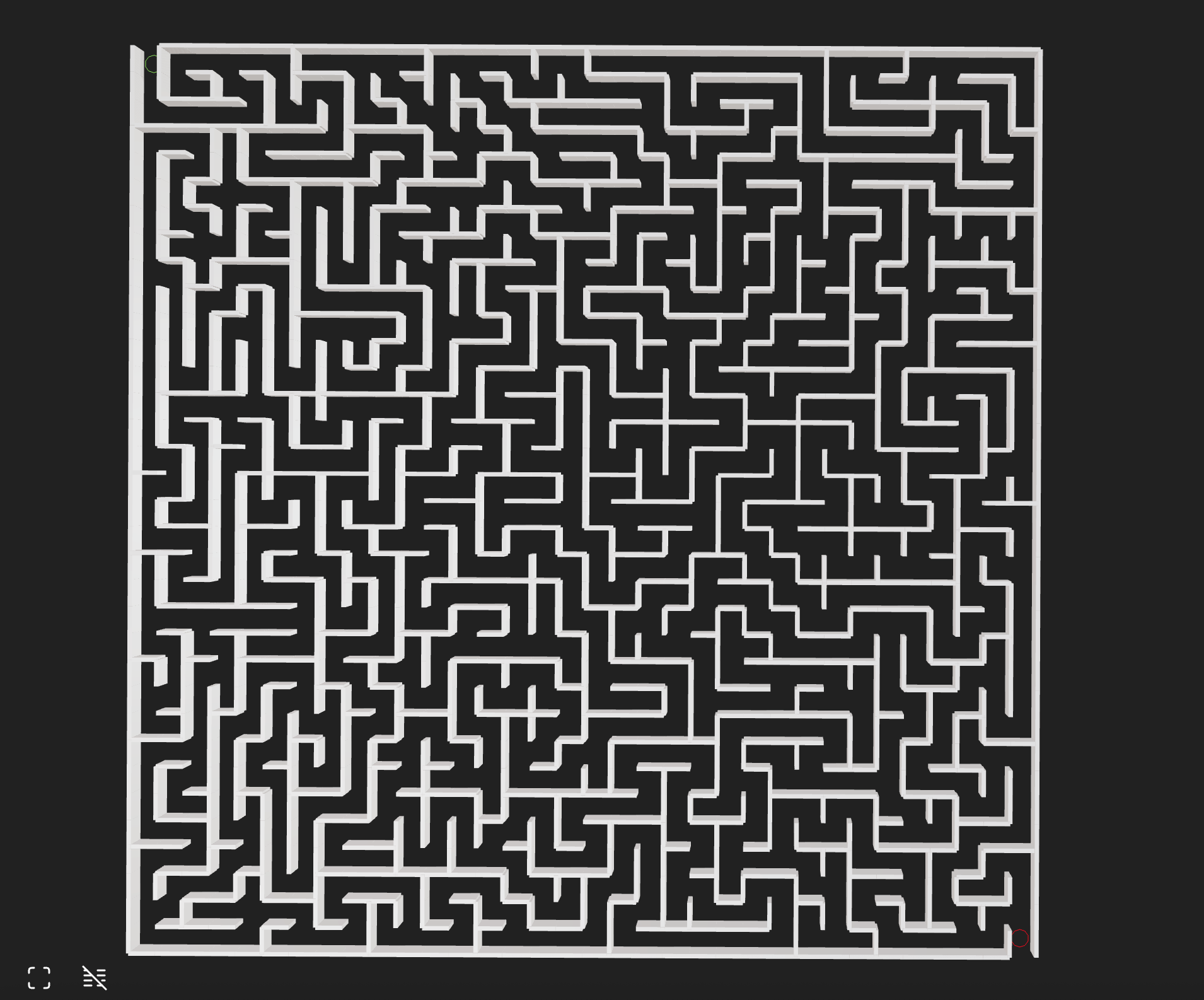
An algorithmic maze generator that creates puzzles and computes their solutions automatically.
by Saanvi Sharma
Join thousands of designers who are already creating the future with algorithmic tools. No installation, no cost to start-just open your browser and begin.